Cover crops
Forage grasses
Cover crops
Cover crop
BRS Guatã
Cajanus cajan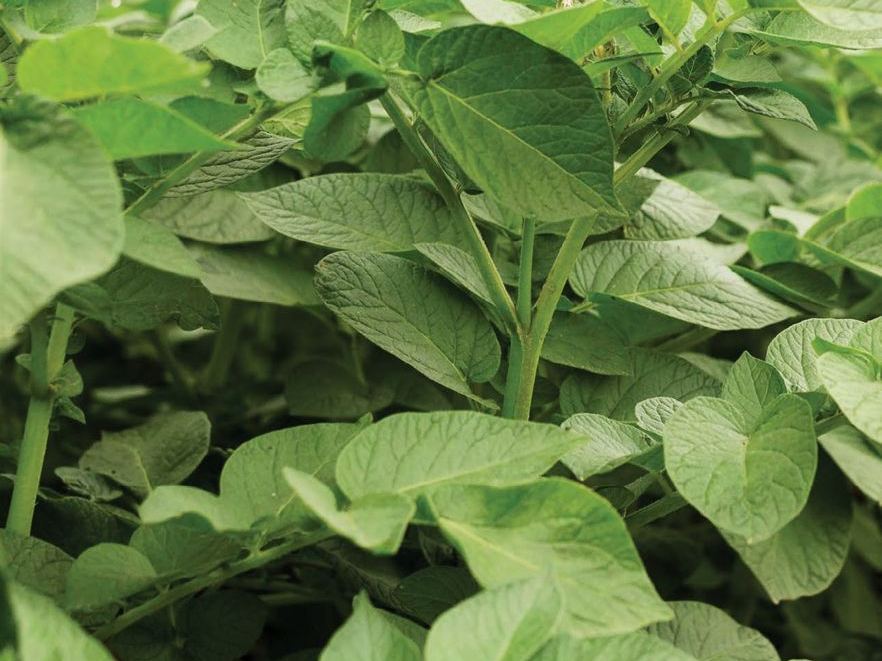 1 / 3‹›
High dry matter (DM) yield for soil cover. Its deep, aggressive taproots make it a tool for breaking up compacted soil. An excellent source of protein in the dry season.
| Cultivar | BRS Guatã |
|---|
| Sowing season | Late January to February |
|---|
| Soil fertility requirement | Low |
|---|
| Cold tolerance | Low |
|---|
| Uses | Nematode control, nitrogen fixation and green manure, soil decompaction, alternative animal feed and recovery of degraded pastures |
|---|
| Height | 1 m |
|---|
| Sowing depth | 2 to 5 cm |
|---|
| Growth habit | Indeterminate/shrubby |
|---|
| Days to flowering | 92 days (early) |
|---|
Cover crop
Crotalaria Breviflora
Crotalaria breviflora DC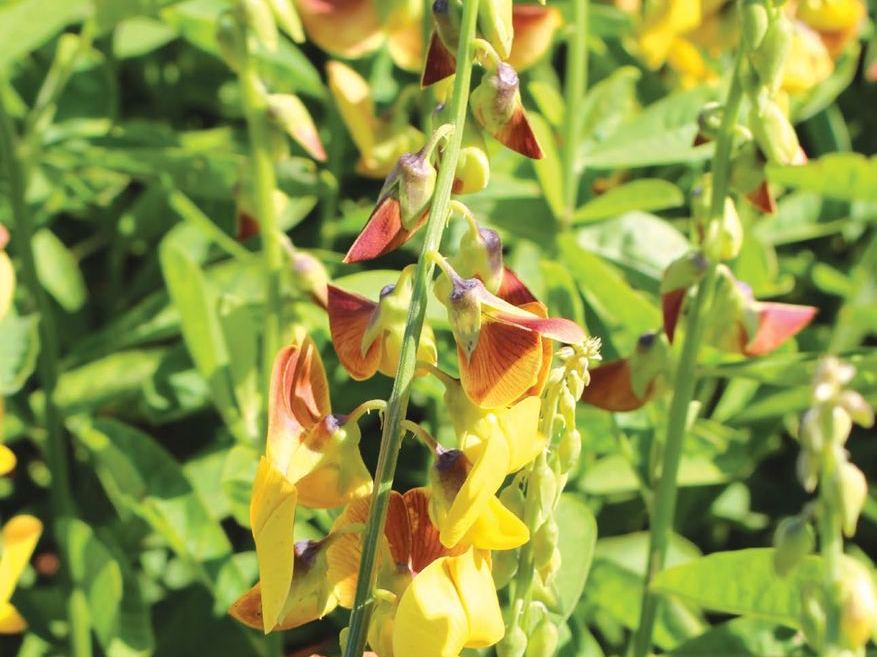 1 / 3‹›
Good soil cover. Fixes nitrogen and helps decompact the soil. Can fight Meloidogyne and Pratylenchus nematodes, even in areas with mixed infestation.
| Common name | Crotalaria breviflora |
|---|
| Growth cycle | Annual (210 to 240 days) |
|---|
| Soil fertility requirement | Medium to high |
|---|
| Climate | Tropical and subtropical |
|---|
| Yield (DM/ha) | 3 to 5 t DM/ha |
|---|
| Uses | Green cover (single, intercropped or in mixes), green manure, weed control and nematode control. Widely intercropped with perennial crops such as coffee and citrus, and with corn. |
|---|
| Sowing depth | 2 to 3 cm (cover the seed) |
|---|
| Planting season | October to March |
|---|
| Height | 0.8 to 1.10 m (depends on seeding rate, climate and soil fertility) |
|---|
| Days to flowering | 90 to 100 days after planting |
|---|
| Root system | Taproot |
|---|
Nutrient cycling96kg/ha of NNitrogen
07kg/ha of PPhosphorus
60kg/ha of KPotassium
40kg/ha of CaCalcium
05kg/ha of MgMagnesium
Cover crop
Crotalaria Juncea (Sunn Hemp)
Crotalaria juncea L.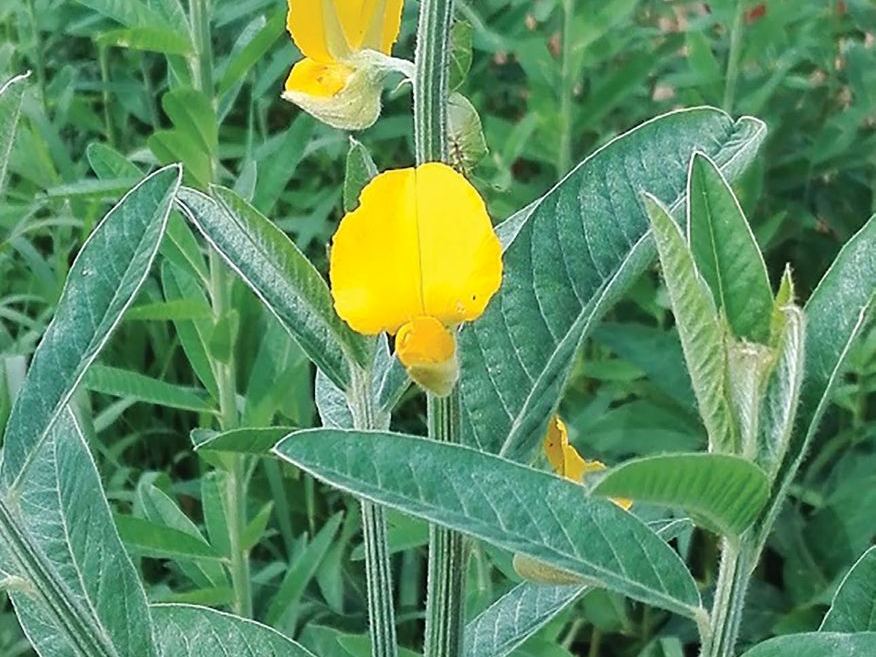 1 / 3‹›
Sunn hemp thrives in tropical and subtropical climates and is highly drought tolerant. However, it has low tolerance to waterlogging and moisture. It has allelopathic effects on many weeds.
| Common name | Sunn hemp (Crotalaria juncea) |
|---|
| Growth cycle | Annual (170 to 180 days) |
|---|
| Soil fertility requirement | Low |
|---|
| Climate | Tropical and subtropical |
|---|
| Yield (DM/ha) | 10 to 15 t DM/ha |
|---|
| Uses | High nitrogen fixation and nutrient cycling, high biomass production and soil decompaction |
|---|
| Sowing depth | 2 to 3 cm |
|---|
| Planting season | September to March |
|---|
| Height | 2 to 3 m (depends on seeding rate, climate and soil fertility) |
|---|
| Days to flowering | 70 to 130 days after planting |
|---|
| Root system | Taproot, deep |
|---|
Nutrient cycling350kg/ha of NNitrogen
35kg/ha of PPhosphorus
200kg/ha of KPotassium
60kg/ha of CaCalcium
30kg/ha of MgMagnesium
Cover crop
Crotalaria Ochroleuca
Crotalaria ochroleuca G. Don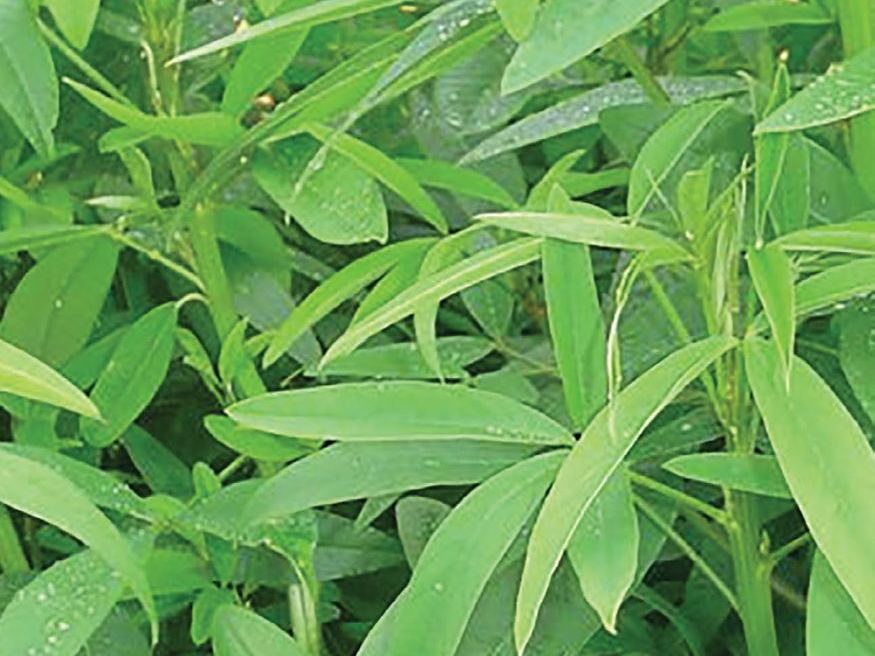 1 / 3‹›
A hardy plant, tolerant to water deficit, with fast and vigorous root development that can break through dense or compacted soil layers. High biomass production provides excellent nutrient cycling and release. It also tolerates plant-parasitic nematodes well.
| Common name | Crotalaria ochroleuca |
|---|
| Growth cycle | Annual (175 to 190 days) |
|---|
| Soil fertility requirement | Low to medium |
|---|
| Yield (DM/ha) | 2 to 10 t DM/ha |
|---|
| Drought tolerance | Medium |
|---|
| Uses | Nutrient cycling, soil cover and crop rotation |
|---|
| Sowing depth | 2 to 3 cm (cover the seed) |
|---|
| Growth habit | Shrubby |
|---|
| Height | 1.5 to 2 m (depends on seeding rate, climate and fertility) |
|---|
| Days to flowering | 120 to 135 days after planting |
|---|
| Root system | Taproot, deep |
|---|
Nutrient cycling200kg/ha of NNitrogen
18kg/ha of PPhosphorus
100kg/ha of KPotassium
35kg/ha of CaCalcium
25kg/ha of MgMagnesium
Cover crop
Crotalaria Spectabilis
Crotalaria spectabilis Roth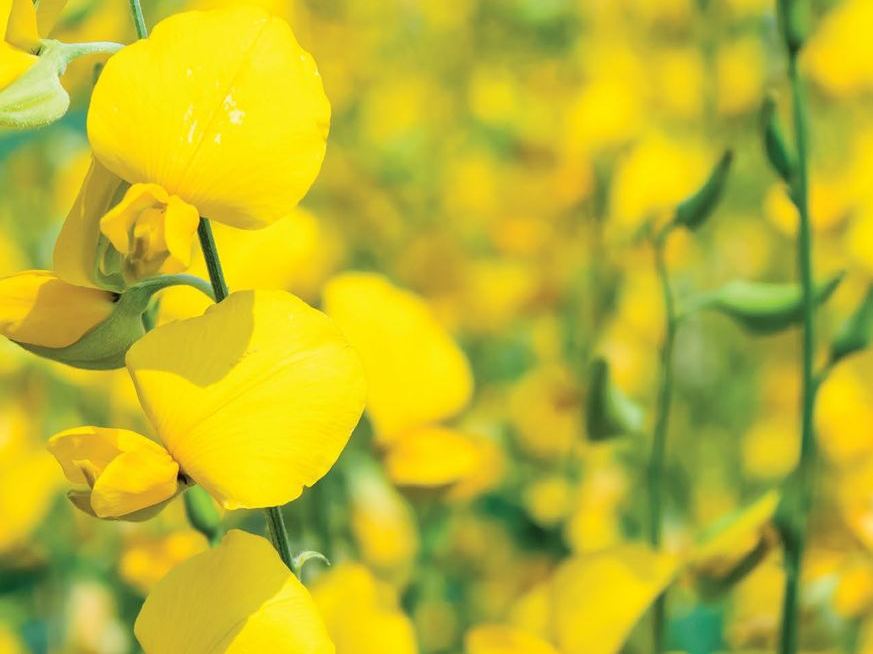 1 / 3‹›
Effective at reducing nematodes. High green mass production and biological nitrogen fixation. Its taproot creates biopores that improve water infiltration, reducing runoff and compaction and improving aeration, which benefits the following crop.
| Common name | Showy rattlebox (Crotalaria spectabilis) |
|---|
| Growth cycle | Annual (170 to 180 days) |
|---|
| Soil fertility requirement | Medium |
|---|
| Yield (DM/ha) | 4 to 6 t DM/ha |
|---|
| Drought tolerance | High |
|---|
| Uses | Plant cover, green manure, nematode control and intercropping with other crops |
|---|
| Sowing depth | 2 cm |
|---|
| Root system | Taproot, branched |
|---|
| Flowering cycle | 110 to 140 days after planting |
|---|
| Height | 1 to 1.5 m (depends on seeding rate, climate and soil fertility) |
|---|
| Biomass yield | 20 to 30 t/ha |
|---|
| Yield (DM/ha/year) | 4 to 6 t/ha/year |
|---|
Nutrient cycling220kg/ha of NNitrogen
24kg/ha of PPhosphorus
220kg/ha of KPotassium
65kg/ha of CaCalcium
28kg/ha of MgMagnesium
Cover crop
Eleusine Coracana (Finger Millet)
Eleusine coracana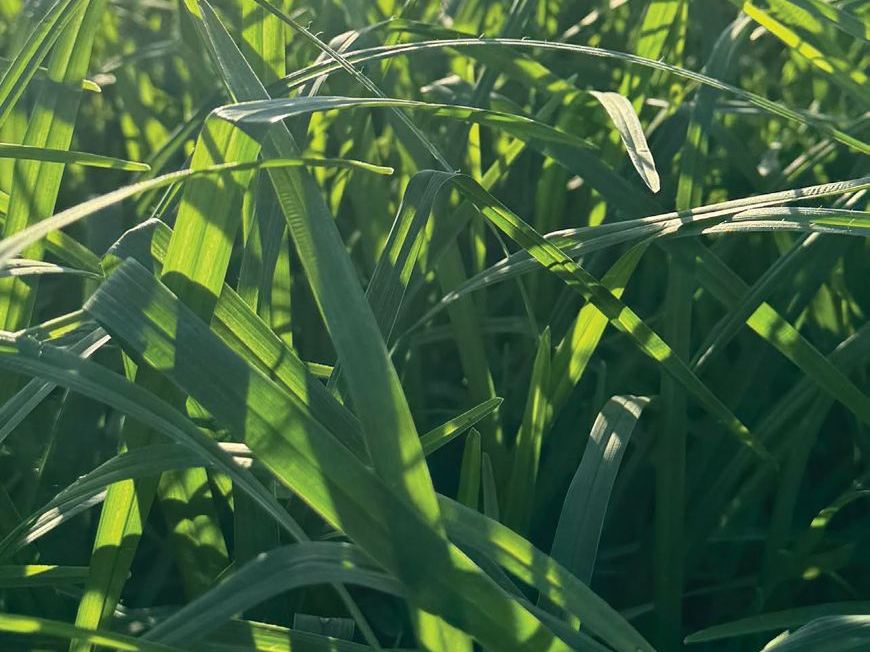 1 / 3‹›
A great option for intercropping: its slow establishment reduces competition with the main crop. Good green mass production, high palatability and digestibility, recommended for ruminant feed.
| Common name | Finger millet |
|---|
| Growth cycle | Annual (130 to 170 days) |
|---|
| Soil fertility requirement | Medium to high |
|---|
| Yield (DM/ha) | 7 to 12 t DM/ha |
|---|
| Drought tolerance | High |
|---|
| Cold tolerance | Low |
|---|
| Uses | Soil decompaction and cover, nutrient cycling, intercropping and ruminant feed |
|---|
| Height | 0.50 to 1.20 m |
|---|
| Sowing depth | 2 to 3 cm |
|---|
| Root system | Fibrous |
|---|
| Days to flowering | 80 to 110 days after planting |
|---|
Nutrient cycling190kg/ha of NNitrogen
15kg/ha of PPhosphorus
230kg/ha of KPotassium
70kg/ha of CaCalcium
30kg/ha of MgMagnesium
Cover crop
Sunflower
Helianthus annuus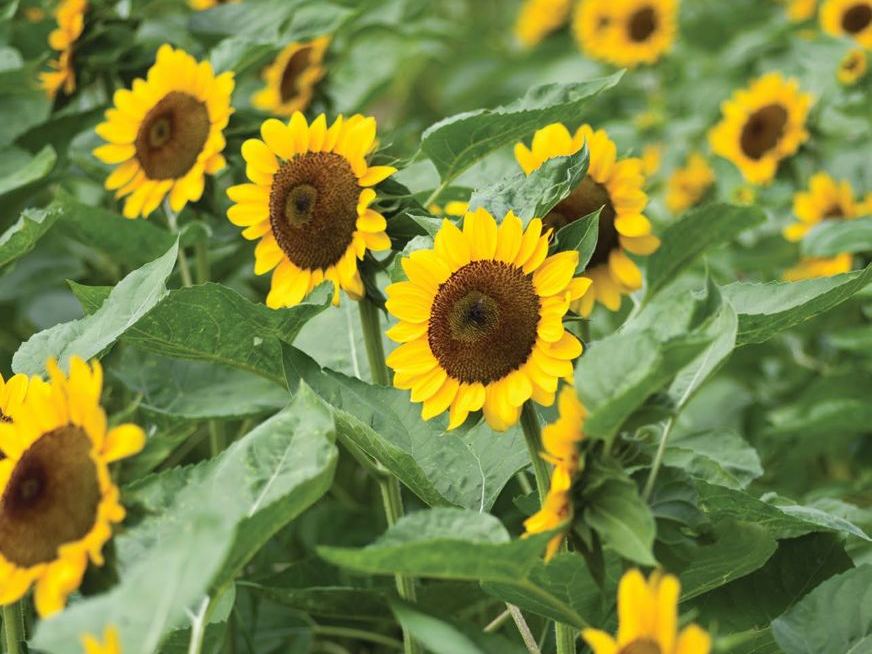 1 / 3‹›
Sunflower improves soil aeration and drainage. It is also an alternative for edible oil and biofuel production, and the seed cake can be used as animal feed.
| Common name | Sunflower |
|---|
| Growth cycle | Annual (70 to 120 days) |
|---|
| Soil fertility requirement | Medium to high |
|---|
| Yield (DM/ha) | 7 to 15 t DM/ha |
|---|
| Uses | Nutrient cycling, intercropping, crop rotation and succession in grain-producing areas |
|---|
| Height | 1.80 to 3 m |
|---|
| Sowing season | February to March |
|---|
| Flowering cycle | 60 to 80 days after planting |
|---|
| Root system | Taproot, branched |
|---|
Nutrient cycling31kg/ha of NNitrogen
02kg/ha of PPhosphorus
45kg/ha of CaCalcium
17kg/ha of MgMagnesium
Cover crop
Pearl Millet
Pennisetum glaucum (L.)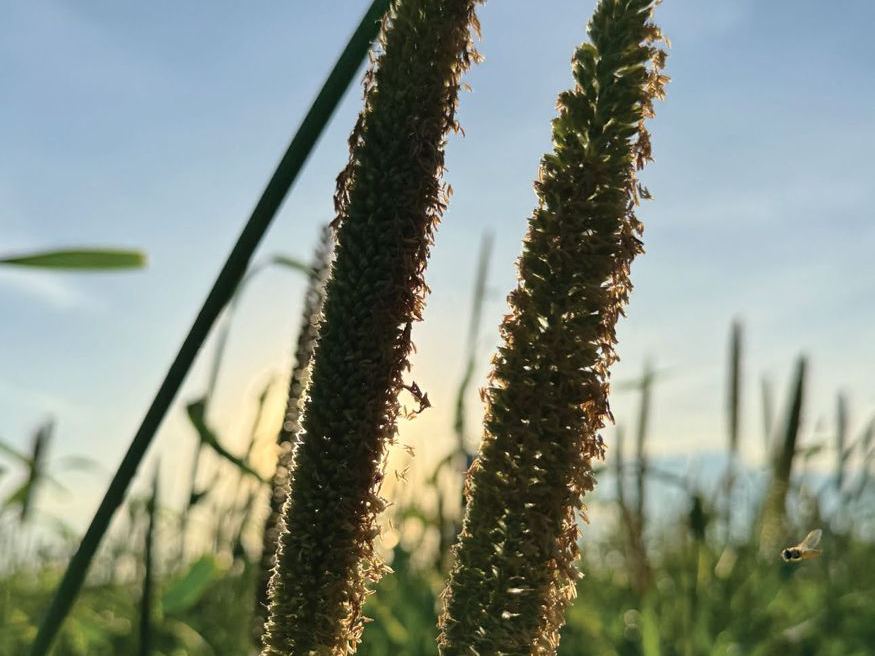 1 / 3‹›
Ideal for no-till systems thanks to its low nutrient and water requirements, deep root system and high green and dry mass production.
| Common name | Pearl millet |
|---|
| Growth cycle | Annual (130 to 140 days) |
|---|
| Soil fertility requirement | Low |
|---|
| Yield (DM/ha) | 8 to 15 t DM/ha |
|---|
| Uses | Cover crop for no-till systems and nematode control |
|---|
| Height | 1.50 to 2.50 m |
|---|
| Climate | Tropical |
|---|
| Sowing season | September to May |
|---|
| Flowering cycle | 45 to 50 days after planting |
|---|
| Root system | Fibrous |
|---|
| Biomass | 50 to 60 t/ha |
|---|
| Growth habit | Upright |
|---|
Nutrient cycling113kg/ha of NNitrogen
14kg/ha of PPhosphorus
93kg/ha of KPotassium
32kg/ha of CaCalcium
16kg/ha of MgMagnesium
Cover crop
Forage Radish
Raphanus sativus L.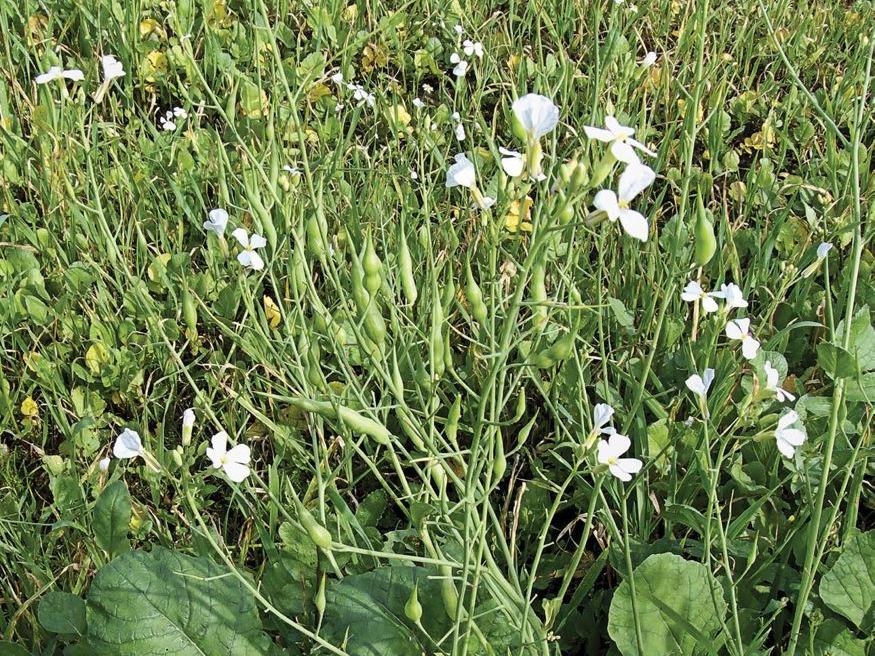 1 / 3‹›
Its aggressive taproot explores compacted and dense soils of different textures and depths. Provides fast soil cover. Its allelopathic traits inhibit weeds. Increasingly used as a raw material for biofuel.
| Common name | Forage radish |
|---|
| Growth cycle | Annual (140 to 160 days) |
|---|
| Soil fertility requirement | Low |
|---|
| Yield (DM/ha) | 3.5 to 8 t DM/ha |
|---|
| Uses | Green manure (single, intercropped or in mixes), crop rotation or succession, soil cover, nutrient cycling and soil decompaction |
|---|
| Height | 0.8 to 1.60 m (depends on seeding rate, climate and soil fertility) |
|---|
| Root system | Taproot/tuberous |
|---|
| Climate | Tropical and subtropical. Tolerant to drought and frost; low tolerance to waterlogging |
|---|
Nutrient cycling60kg/ha of NNitrogen
05kg/ha of PPhosphorus
80kg/ha of KPotassium
36kg/ha of CaCalcium
27kg/ha of MgMagnesium
Cover crop
Buckwheat
Fagopyrum esculentum Moench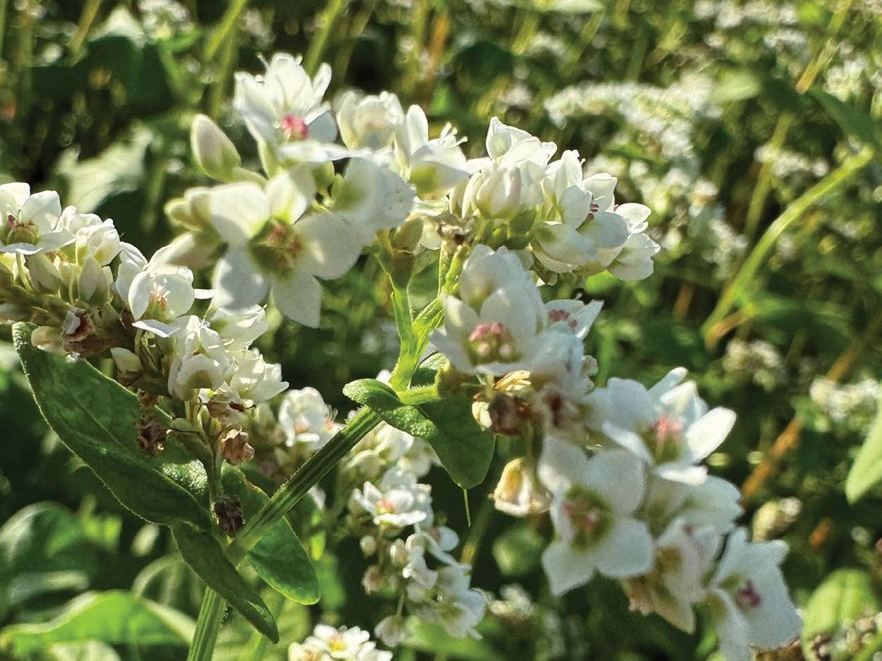 1 / 3‹›
An alternative for rotation with annual and semi-perennial crops. Helps suppress weeds, cycle nutrients and control nematodes. Highly tolerant to water deficit and acidic soils, an excellent cover crop for the dry season.
| Common name | Buckwheat |
|---|
| Growth cycle | Short (75 to 85 days) |
|---|
| Soil fertility requirement | Low |
|---|
| Yield (DM/ha) | 3 to 6 t DM/ha |
|---|
| Drought tolerance | High |
|---|
| Cold tolerance | Low |
|---|
| Uses | Green manure (single, intercropped or in mixes), crop rotation or succession, soil cover, nutrient cycling and soil decompaction |
|---|
| Height | 0.6 to 1.20 m |
|---|
| Flowering cycle | 35 to 50 days after planting |
|---|
| Root system | Taproot, aggressive |
|---|
| Climate | High drought tolerance |
|---|
Nutrient cycling120kg/ha of NNitrogen
18kg/ha of PPhosphorus
220kg/ha of KPotassium
29kg/ha of CaCalcium
13kg/ha of MgMagnesium
Cover crop
Green Mung Bean
Technical sheet under review. This variety is not yet in our catalog; details will be published once validated by the Acampo technical team.
Cover crop
Black Mung Bean
Technical sheet under review. This variety is not yet in our catalog; details will be published once validated by the Acampo technical team.
Forage grasses
Forage grass
BRS Integra
Urochloa ruziziensis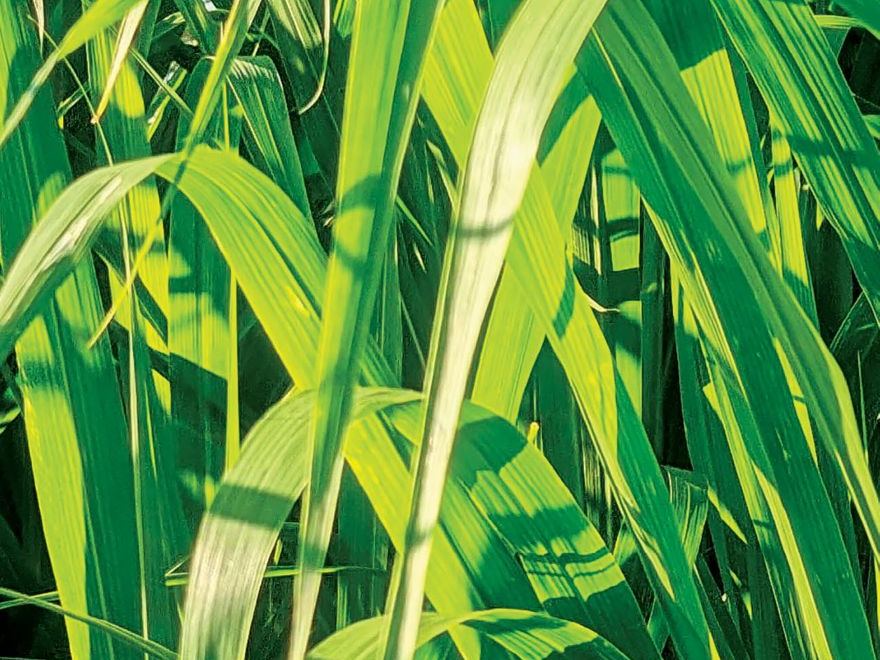 1 / 3‹›
An excellent choice for straw production in ICL and ICLF systems. Pairs well with second-crop corn for fall/winter forage or straw for no-till, and is easy to desiccate. Higher nutritional value than other Urochloa cultivars.
| Cultivar | BRS Integra |
|---|
| Growth cycle | Perennial |
|---|
| Soil fertility requirement | Medium to high |
|---|
| Yield (DM/ha/year) | 8 to 20 t DM/ha/year |
|---|
| Crude protein/year | 13.81% |
|---|
| Drought tolerance | High |
|---|
| Cold tolerance | High |
|---|
| Spittlebug (pasture leafhopper) | Medium to high |
|---|
| Uses | Soil cover, integrated crop-livestock-forest systems (ICLF), straw production, grazing |
|---|
| Height | 0.8 to 1.10 m |
|---|
| PLS points/ha | 350 to 500 |
|---|
| Sowing depth | 2.5 to 5 cm |
|---|
| Grazing management | Continuous: 35 to 25 cm. Rotational: graze in at 45 cm and out at 25 cm |
|---|
Forage grass
BRS Paiaguás
Urochloa brizantha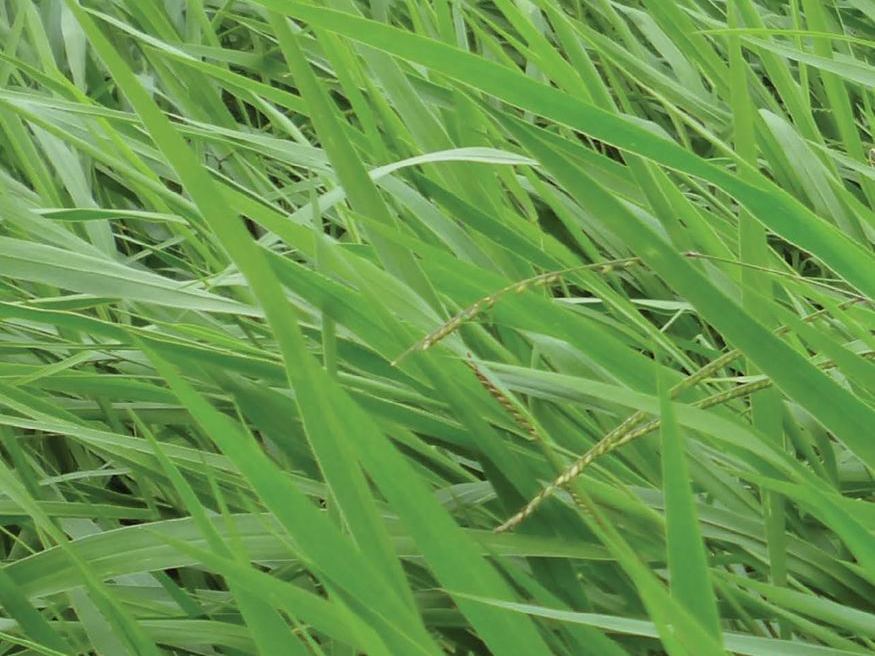 1 / 3‹›
Forage grass with good soil cover and excellent forage quality. High drought tolerance and greater animal weight gain per head and per area than other Urochloa brizantha cultivars. Easy to desiccate for no-till planting, a great option for ICL systems.
| Cultivar | BRS Paiaguás |
|---|
| Growth cycle | Perennial |
|---|
| Soil fertility requirement | Medium |
|---|
| Yield (DM/ha/year) | 8 to 15 t DM/ha/year |
|---|
| Crude protein/year | 7% to 10% |
|---|
| Drought tolerance | High |
|---|
| Cold tolerance | Low |
|---|
| Spittlebug (pasture leafhopper) | Very low resistance |
|---|
| Uses | Grazing, silage and hay |
|---|
| Height | 0.60 m |
|---|
| PLS points/ha | 350 to 500 |
|---|
| Sowing depth | 3 to 5 cm |
|---|
| Grazing management | Graze in at 30 cm, out at 20 cm (rotational) |
|---|
Forage grass
BRS Piatã
Urochloa brizantha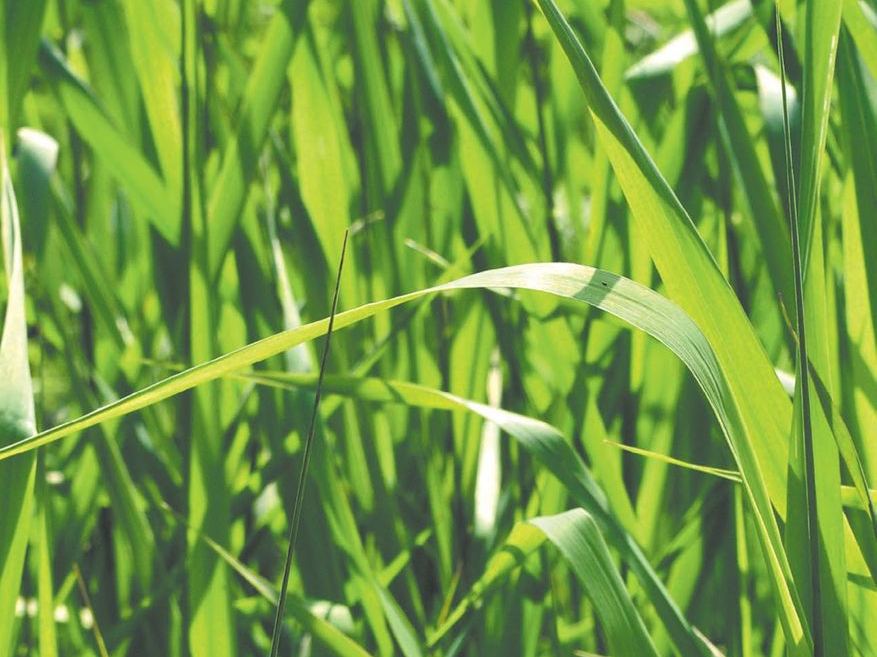 1 / 3‹›
An excellent option for ICLF and ICL systems thanks to its plant architecture, forage accumulation in the dry season and finer stems that animals use very well. Easy to desiccate for no-till planting.
| Cultivar | BRS Piatã |
|---|
| Growth cycle | Perennial |
|---|
| Soil fertility requirement | Medium |
|---|
| Yield (DM/ha/year) | 8 to 20 t DM/ha/year |
|---|
| Crude protein/year | 7% to 10% |
|---|
| Drought tolerance | High |
|---|
| Cold tolerance | Low |
|---|
| Spittlebug (pasture leafhopper) | High resistance |
|---|
| Uses | Grazing, silage, hay, soil cover, intercropping |
|---|
| Height | 0.62 m |
|---|
| PLS points/ha | 400 to 600 |
|---|
| Sowing depth | 3 to 5 cm |
|---|
| Grazing management | Graze in at 30 cm, out at 20 cm (rotational) |
|---|
Forage grass
BRS Tamani
Megathyrsus maximus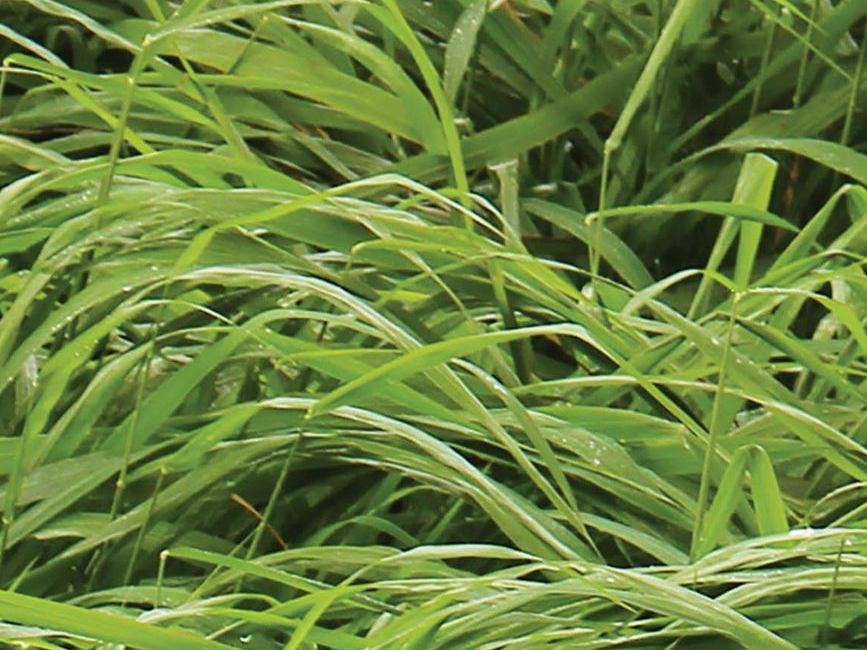 1 / 3‹›
Hybrid forage grass with excellent soil cover and great animal performance. Stands out for 90% leaf share with high nutritional value. Easy to manage and resistant to pasture spittlebugs.
| Cultivar | BRS Tamani |
|---|
| Growth cycle | Perennial |
|---|
| Soil fertility requirement | Medium to high |
|---|
| Yield (DM/ha/year) | 11 to 17 t DM/ha/year |
|---|
| Crude protein/year | 8% to 22% |
|---|
| Drought tolerance | Medium to low |
|---|
| Cold tolerance | Medium to high |
|---|
| Spittlebug (pasture leafhopper) | High resistance |
|---|
| Uses | Grazing, silage, hay, soil cover and intercropping with corn |
|---|
| Height | 0.65 m |
|---|
| PLS points/ha | 300 to 400 |
|---|
| Sowing depth | 2 to 4 cm |
|---|
| Grazing management | Graze in at 50 cm, out at 20-25 cm (rotational) |
|---|
Forage grass
BRS Zuri
Megathyrsus maximus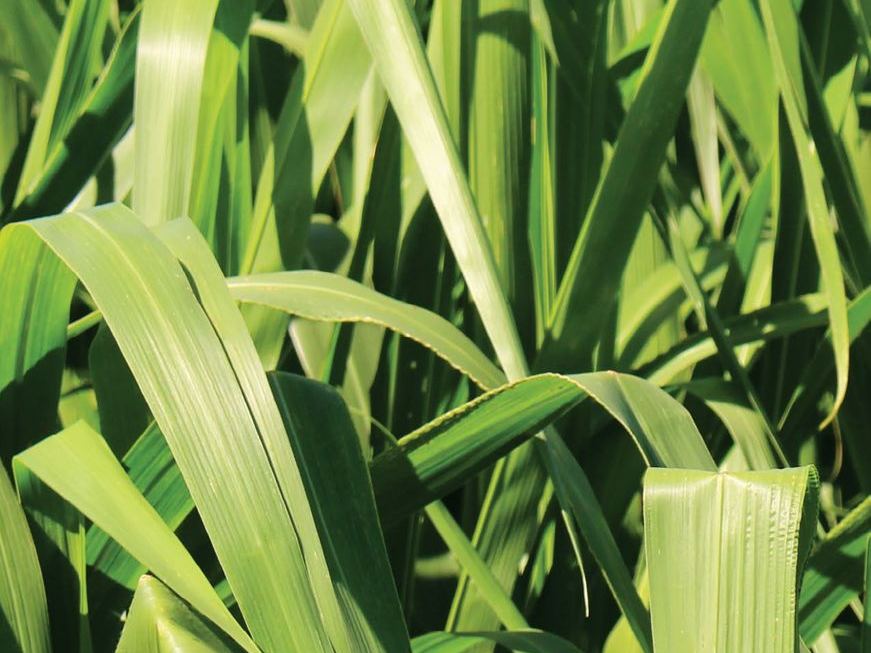 1 / 3‹›
High-yielding, high-quality forage with excellent palatability and digestibility. Good stocking capacity in both extensive and rotational systems. Resistant to leaf spot caused by the fungus Bipolaris maydis.
| Cultivar | BRS Zuri |
|---|
| Growth cycle | Perennial |
|---|
| Soil fertility requirement | Medium to high |
|---|
| Yield (DM/ha/year) | 12 to 23 t DM/ha/year |
|---|
| Crude protein/year | 7% to 18% |
|---|
| Drought tolerance | Low |
|---|
| Cold tolerance | Medium to high |
|---|
| Spittlebug (pasture leafhopper) | High resistance |
|---|
| Uses | Grazing, silage, hay and ICL systems |
|---|
| Height | 1.10 to 1.50 m |
|---|
| PLS points/ha | 300 to 400 |
|---|
| Sowing depth | 2 to 3 cm |
|---|
| Grazing management | Graze in at 75 cm, out at 35 cm (rotational) |
|---|
Forage grass
Marandu
Urochloa brizantha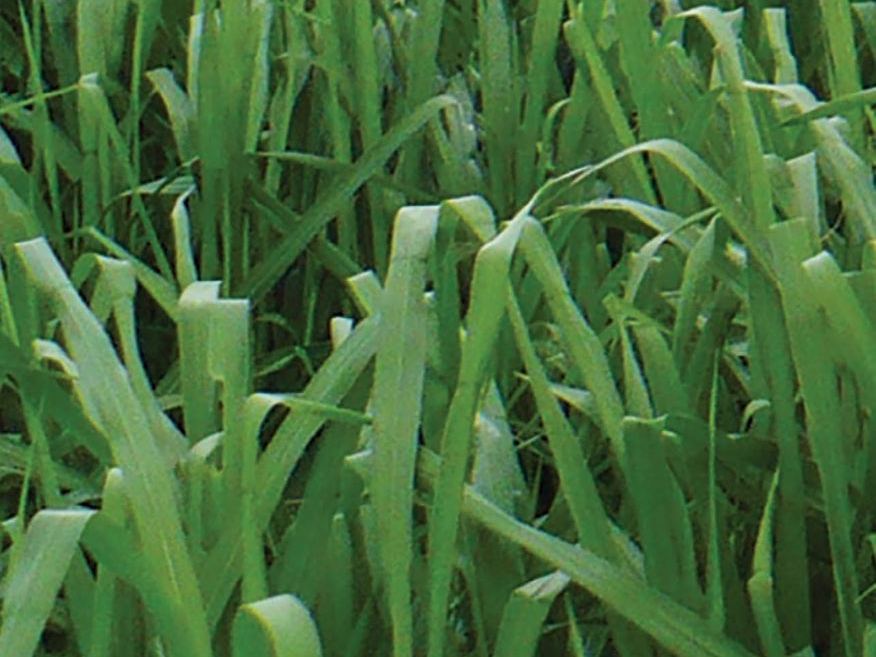 1 / 3‹›
Cultivar with high forage production, excellent soil cover and strong competition against weeds.
| Cultivar | Marandu |
|---|
| Growth cycle | Perennial |
|---|
| Soil fertility requirement | Medium |
|---|
| Yield (DM/ha/year) | 8 to 20 t DM/ha/year |
|---|
| Crude protein/year | 7% to 10% |
|---|
| Drought tolerance | Medium |
|---|
| Cold tolerance | Low |
|---|
| Spittlebug (pasture leafhopper) | Medium resistance |
|---|
| Uses | Grazing and hay |
|---|
| Height | 0.53 m |
|---|
| PLS points/ha | 400 to 600 |
|---|
| Sowing depth | 3 to 5 cm |
|---|
| Grazing management | Graze in at 30 cm, out at 20 cm (rotational) |
|---|
Forage grass
Xaraés
Urochloa brizantha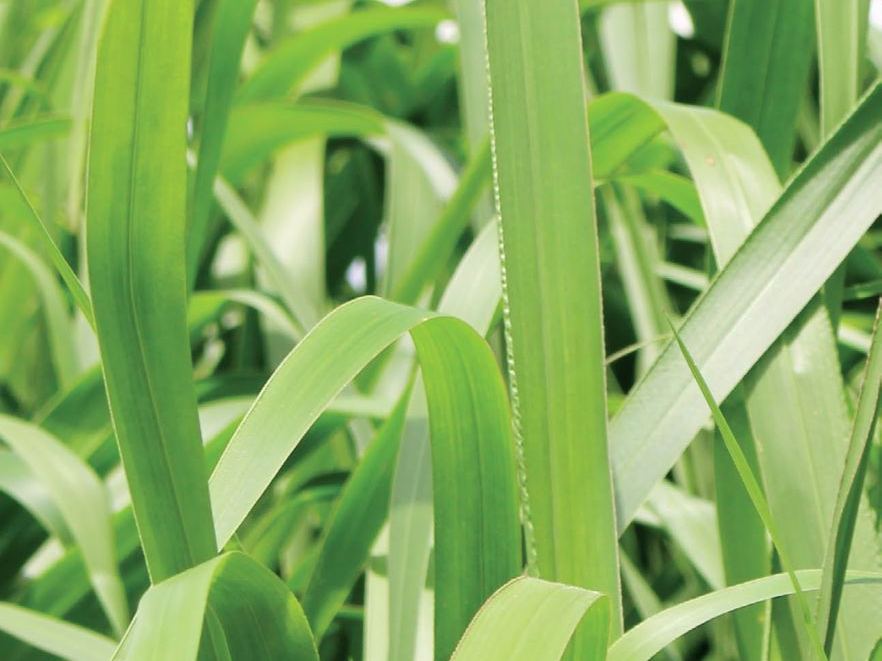 1 / 3‹›
Late-flowering forage grass that extends the grazing period in the rainy season, with fast regrowth. High tolerance to trampling and to wetter areas. An excellent aid for soil decompaction and an option for ICL or ICLF systems.
| Cultivar | Xaraés |
|---|
| Growth cycle | Perennial |
|---|
| Soil fertility requirement | Medium |
|---|
| Yield (DM/ha/year) | 10 to 24 t DM/ha/year |
|---|
| Crude protein/year | 6% to 10% |
|---|
| Drought tolerance | Medium |
|---|
| Cold tolerance | Low |
|---|
| Spittlebug (pasture leafhopper) | Medium resistance |
|---|
| Uses | Grazing, silage, hay and soil cover |
|---|
| Height | 0.87 m |
|---|
| PLS points/ha | 450 to 650 |
|---|
| Sowing depth | 3 to 5 cm |
|---|
| Grazing management | Graze in at 35 cm, out at 15 cm (rotational) |
|---|
Forage grass
Ruziziensis
Urochloa ruziziensis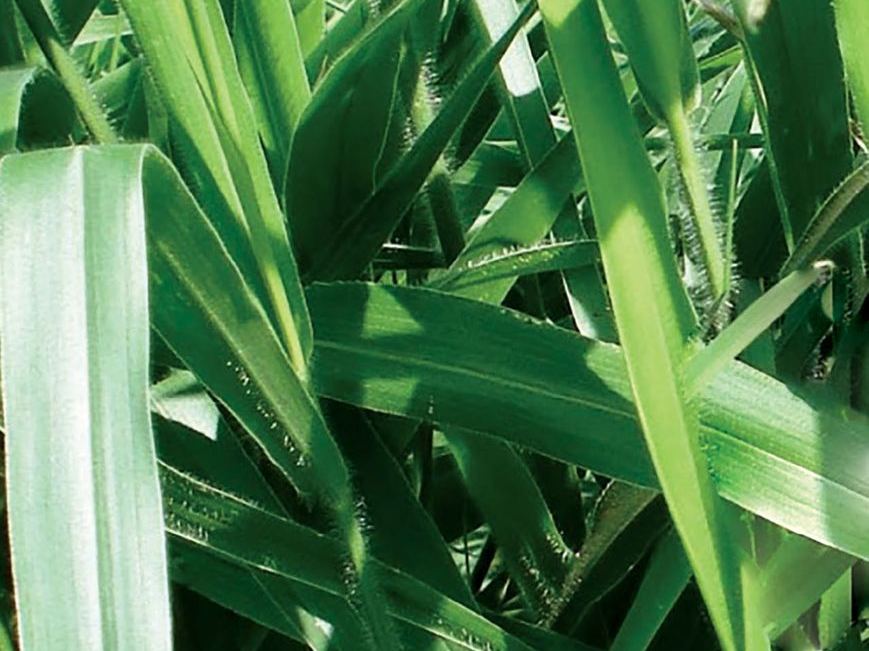 1 / 3‹›
Easy to establish, highly palatable, with good animal performance. A great option for building mass when intercropped or as soil cover for no-till planting, and easy to desiccate. Also suited to ICL systems.
| Cultivar | Urochloa ruziziensis |
|---|
| Growth cycle | Perennial |
|---|
| Soil fertility requirement | Medium to high |
|---|
| Yield (DM/ha/year) | 8 to 20 t DM/ha/year |
|---|
| Crude protein/year | 7% to 12% |
|---|
| Drought tolerance | Low |
|---|
| Cold tolerance | Low |
|---|
| Spittlebug (pasture leafhopper) | Very low resistance |
|---|
| Uses | Grazing, hay, silage and straw for no-till |
|---|
| Height | 0.47 m |
|---|
| PLS points/ha | 350 to 500 |
|---|
| Sowing depth | 3 to 5 cm |
|---|
| Grazing management | Graze in at 30 cm, out at 20 cm (rotational) |
|---|
Forage grass
Humidicola
Urochloa humidicola 1 / 3‹›
Forage grass with excellent soil cover, good tolerance to temporary flooding and waterlogging, good shade tolerance and medium drought tolerance. Adapts to acidic, poor soils, with slow establishment. A great option for mixing with other varieties.
| Cultivar | Urochloa humidicola |
|---|
| Growth cycle | Perennial |
|---|
| Soil fertility requirement | Low |
|---|
| Yield (DM/ha/year) | 8 to 10 t DM/ha/year |
|---|
| Crude protein/year | 6% to 8% |
|---|
| Drought tolerance | Medium |
|---|
| Cold tolerance | Low |
|---|
| Spittlebug (pasture leafhopper) | Medium resistance |
|---|
| Uses | Grazing |
|---|
| Height | 0.41 m |
|---|
| PLS points/ha | 350 to 500 |
|---|
| Sowing depth | 3 to 5 cm |
|---|
| Grazing management | Graze in at 25 cm, out at 15 cm (rotational) |
|---|
| Waterlogged soils | High tolerance |
|---|
Forage grass
Llanero
Urochloa humidicola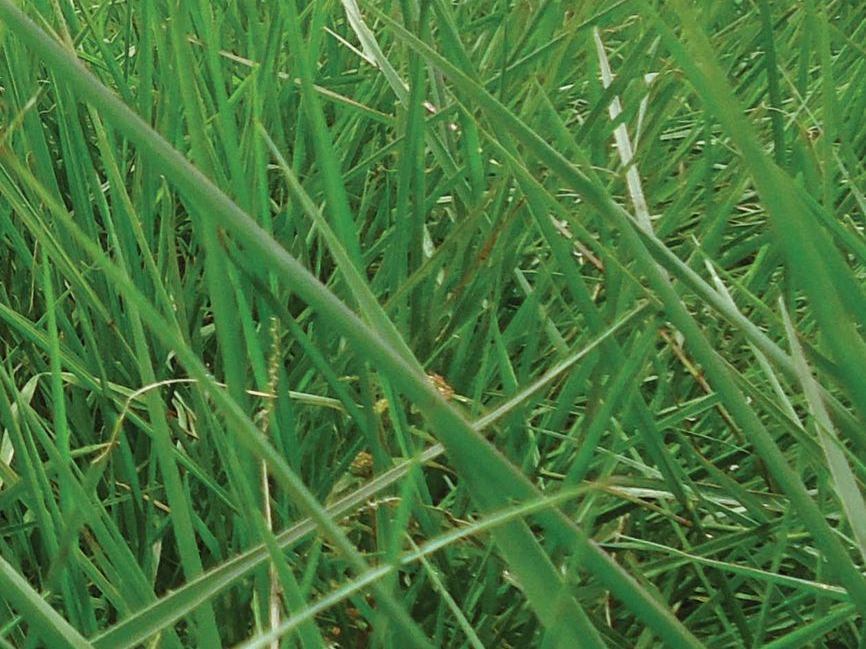 1 / 3‹›
Forage grass tolerant to waterlogged soils, used on acidic, poor soils where more nutritious forages are hard to establish. Usually planted together with other forages because of its slow establishment.
| Cultivar | Llanero |
|---|
| Growth cycle | Perennial |
|---|
| Soil fertility requirement | Low |
|---|
| Yield (DM/ha/year) | 10 to 12 t DM/ha/year |
|---|
| Crude protein/year | 7% to 9% |
|---|
| Drought tolerance | Medium |
|---|
| Cold tolerance | Low |
|---|
| Spittlebug (pasture leafhopper) | Medium resistance |
|---|
| Uses | Grazing |
|---|
| Height | 0.45 cm |
|---|
| PLS points/ha | 400 to 500 |
|---|
| Sowing depth | 3 to 5 cm |
|---|
| Grazing management | Graze in at 25 cm, out at 15 cm (rotational) |
|---|
Forage grass
Basilisk
Urochloa decumbens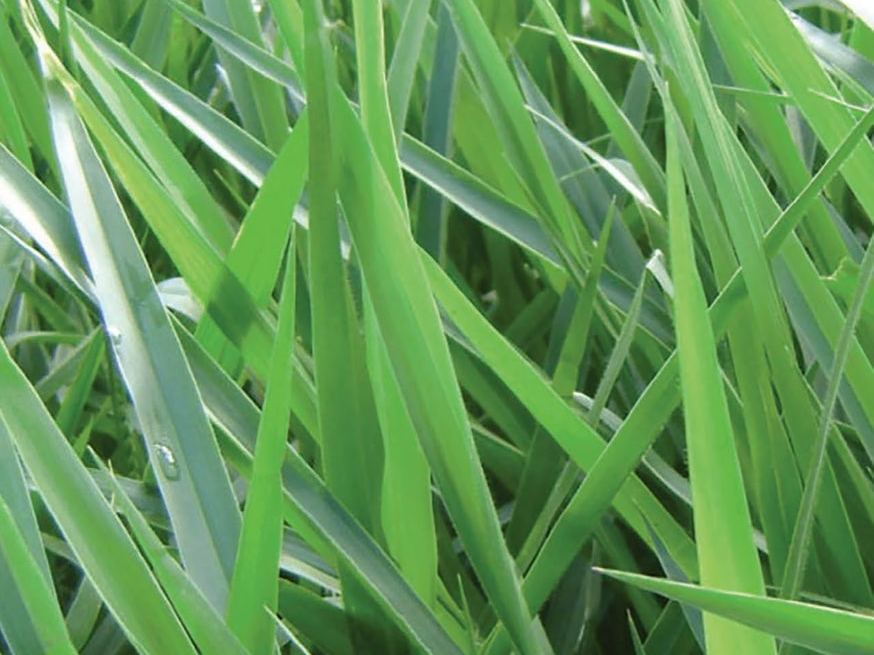 1 / 3‹›
Easy to establish and adapted to acidic, poor soils. High drought tolerance, easy management and desiccation for no-till planting. Also suited to ICL systems.
| Cultivar | Basilisk |
|---|
| Growth cycle | Perennial |
|---|
| Soil fertility requirement | Low |
|---|
| Yield (DM/ha/year) | 8 to 20 t DM/ha/year |
|---|
| Crude protein/year | 7% to 10% |
|---|
| Drought tolerance | High |
|---|
| Cold tolerance | Low |
|---|
| Spittlebug (pasture leafhopper) | Very low resistance |
|---|
| Uses | Grazing, hay and soil cover |
|---|
| Height | 0.43 m |
|---|
| PLS points/ha | 350 to 500 |
|---|
| Sowing depth | 3 to 5 cm |
|---|
| Grazing management | Graze in at 25 cm, out at 15 cm (rotational) |
|---|
Forage grass
Mombaça
Megathyrsus maximus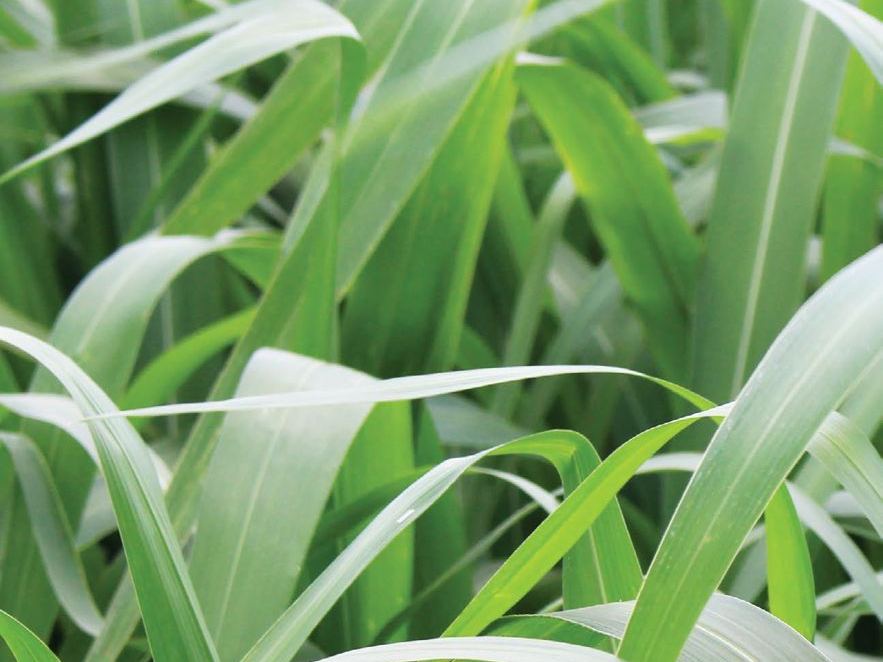 1 / 3‹›
Recommended to diversify pastures in intensive animal production systems. High fertility requirement, medium/low drought tolerance and strong regrowth in the rainy season.
| Cultivar | Mombaça |
|---|
| Growth cycle | Perennial |
|---|
| Soil fertility requirement | Medium to high |
|---|
| Yield (DM/ha/year) | 11 to 26 t DM/ha/year |
|---|
| Crude protein/year | 7% to 18% |
|---|
| Drought tolerance | Medium to low |
|---|
| Cold tolerance | Medium to high |
|---|
| Spittlebug (pasture leafhopper) | High resistance |
|---|
| Uses | Grazing, silage, hay, integrated crop-livestock and silvopastoral systems |
|---|
| Height | 1.25 to 1.65 m |
|---|
| PLS points/ha | 300 to 400 |
|---|
| Sowing depth | 2 to 3 cm |
|---|
| Grazing management | Graze in at 90 cm, out at 45-50 cm (rotational) |
|---|
Forage grass
Massai
Megathyrsus maximus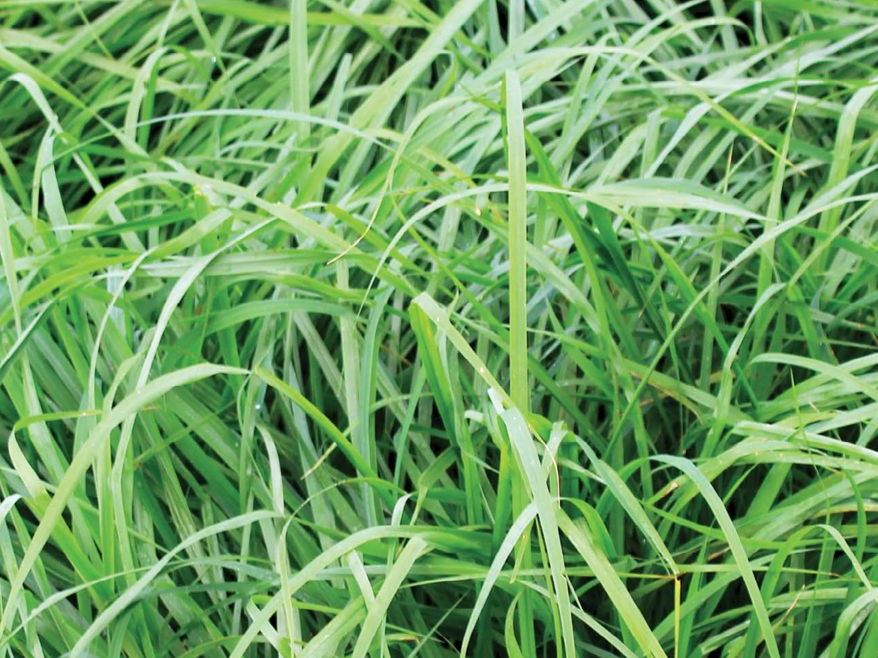 1 / 3‹›
Excellent forage production with fast establishment and regrowth, medium cold tolerance and good fire resistance. Compared with other Megathyrsus maximus cultivars, Massai is better adapted to low-fertility soils, with good resistance to pasture spittlebugs.
| Cultivar | Massai |
|---|
| Growth cycle | Perennial |
|---|
| Soil fertility requirement | Medium |
|---|
| Yield (DM/ha/year) | 12 to 19 t DM/ha/year |
|---|
| Crude protein/year | 6% to 18% |
|---|
| Drought tolerance | High |
|---|
| Cold tolerance | Low |
|---|
| Spittlebug (pasture leafhopper) | High resistance |
|---|
| Uses | Grazing, hay, silage, integrated crop-livestock (ICL) and silvopastoral systems |
|---|
| Height | 0.55 to 0.85 m |
|---|
| PLS points/ha | 300 to 400 |
|---|
| Sowing depth | 2 to 3 cm |
|---|
| Grazing management | Graze in at 55 cm, out at 25-30 cm (rotational) |
|---|
Forage grass
Stylosanthes Campo Grande
Stylosanthes macrocephala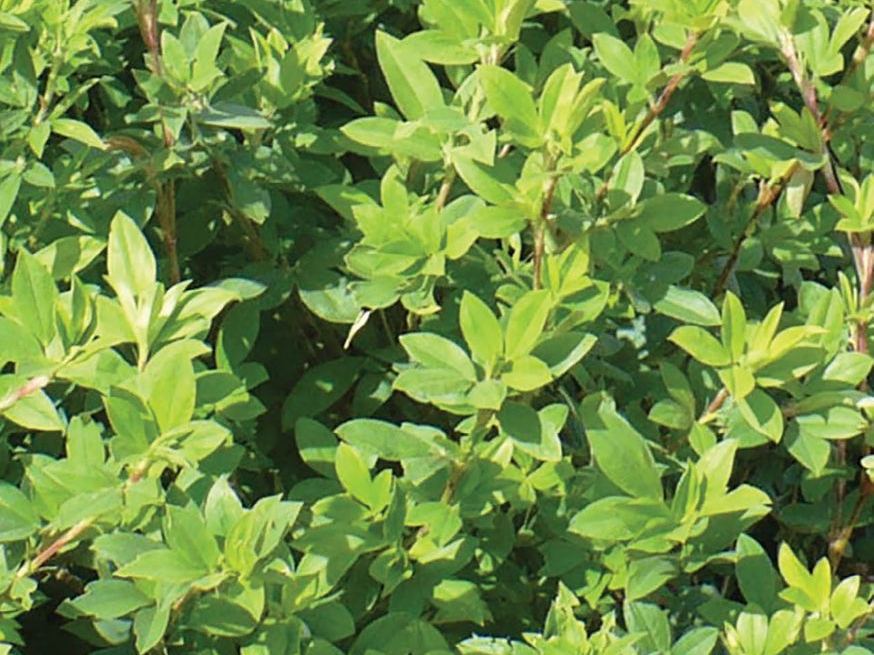 1 / 3‹›
Stylosanthes Campo Grande raises the protein value of the pasture and fixes up to 80 kg of nitrogen per hectare per year.
| Cultivar | Campo Grande |
|---|
| Growth cycle | Perennial |
|---|
| Soil fertility requirement | Low |
|---|
| Yield DM/ha/year (single crop) | 8 to 14 t DM/ha/year |
|---|
| Yield DM/ha/year (intercropped) | 3 to 6 t DM/ha/year |
|---|
| Crude protein/year | 9% to 16% |
|---|
| Drought tolerance | Medium |
|---|
| Cold tolerance | Low |
|---|
| Spittlebug (pasture leafhopper) | High tolerance |
|---|
| Uses | Intercropping, hay making and land recovery |
|---|
| Height | 0.70 to 0.80 m |
|---|
| PLS points/ha | 300 to 400 |
|---|
| Sowing depth | 1 to 2 cm |
|---|
| Grazing management | Follow the recommendation for the companion grass |
|---|
Planting methods
Forage grasses
Seeding rate in PLS/ha/kg| Cultivars | In rows | Broadcast | Hills |
|---|
| BRS Tamani | 2.0/2.5 | 3.0/4.0 | 2.0/3.0 |
| BRS Integra | 2.4/3.2 | 3.2/4.8 | 2.6/3.4 |
| BRS Piatã | 3.2/3.6 | 3.6/4.8 | 3.4/4.0 |
| BRS Paiaguás | 3.2/3.6 | 3.5/5.0 | 3.2/3.8 |
| BRS Zuri | 1.8/2.4 | 3.0/4.0 | 2.0/2.6 |
| Marandu | 2.4/3.2 | 3.2/4.8 | 3.4/4.0 |
| Xaraés | 2.4/3.2 | 3.2/4.8 | 3.8/4.2 |
| Ruziziensis | 2.4/3.2 | 3.2/4.8 | 2.6/3.4 |
| Humidicola | 2.4/3.2 | 3.2/4.8 | 3.0/3.8 |
| Llanero | 2.4/3.2 | 3.2/4.8 | 3.0/3.8 |
| Decumbens | 2.4/3.2 | 3.2/4.8 | 3.2/3.8 |
| Mombaça | 1.8/2.4 | 2.4/3.2 | 2.0/2.6 |
| Massai | 1.8/2.4 | 2.4/3.2 | 2.2/2.8 |
Cover crops
Single-crop seeding, in kg/ha| Cultivars | In rows | Broadcast |
|---|
| Crotalaria Breviflora | 12 to 15 | 15 to 18 |
| Crotalaria Spectabilis | 12 to 15 | 15 to 18 |
| Crotalaria Ochroleuca | 10 to 12 | 12 to 15 |
| Crotalaria Juncea (Sunn Hemp) | 25 to 40 | 30 to 48 |
| Eleusine Coracana (Finger Millet) | 08 to 10 | 10 to 12 |
| Sunflower | 03 to 20 | 04 to 24 |
| Forage Radish | 12 to 15 | 18 to 20 |
| Buckwheat | 40 to 60 | 48 to 70 |
| Pearl Millet | 15 to 20 | 20 to 40 |
| Stylosanthes Campo Grande | 05 to 07 | 06 to 09 |
| BRS Guatã | 12 to 14 | 15 to 18 |
In rows: planter or seed drill. Broadcast: lime spreader, pendulum or disc spreader, or by hand. Hills: jab planter and hoe. When broadcasting, seeds must be incorporated into the soil. PLS = pure live seed.
